
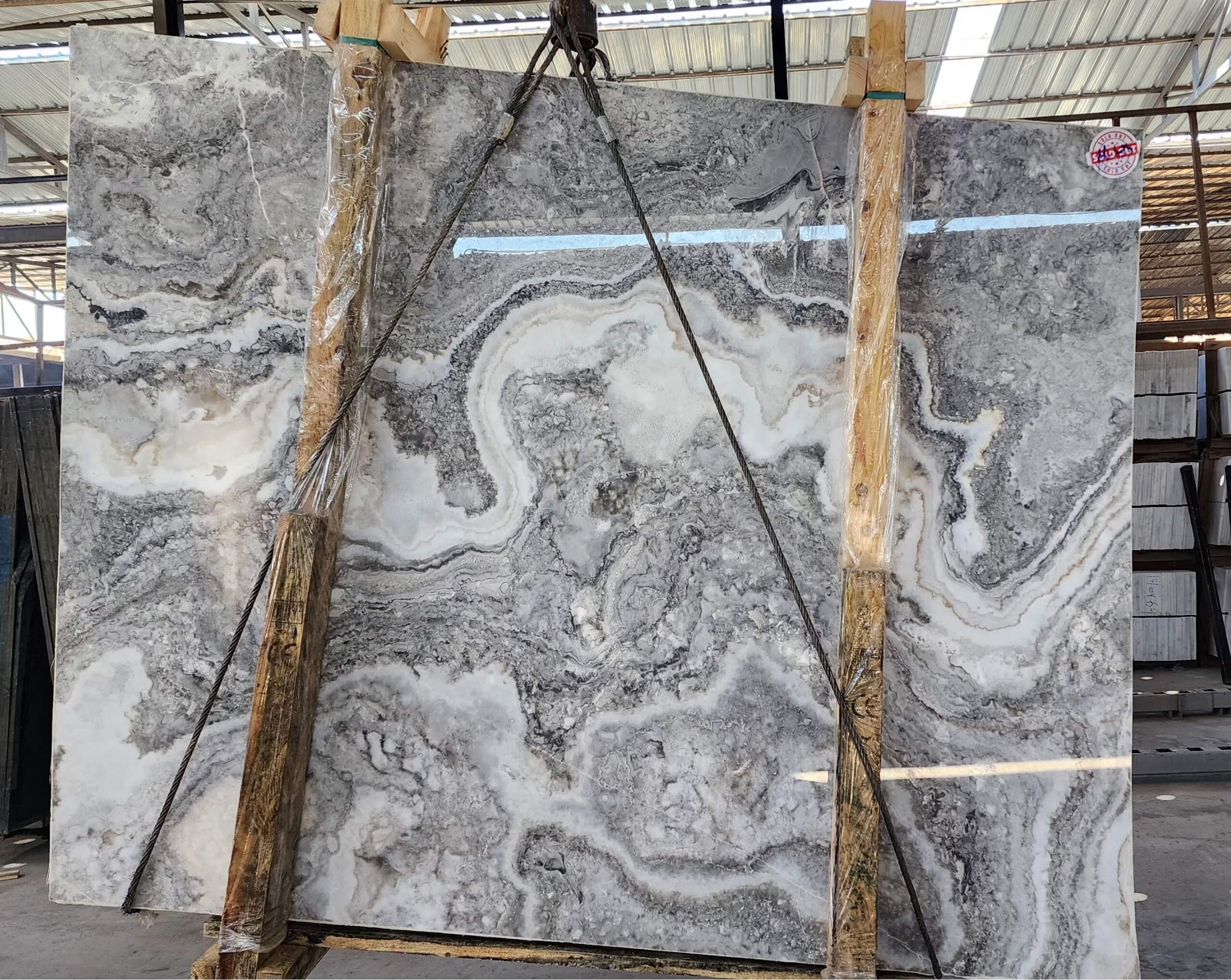
Foundations of a Marble Quality System
- Certifications
Internationally recognized standards—such as ISO protocols—serve as the marble industry’s equivalent of provenance documents. They confirm that each stone has undergone meticulous testing and adheres to strict technical and aesthetic specifications, ensuring reliability and authenticity.
- Quality Control Procedures
Throughout extraction, cutting, finishing, and transport, marble is subjected to a sequence of refined inspections. These include visual assessments, structural endurance tests, and surface evaluations, mirroring the precision with which conservators examine fine artworks.
- Quality Grading Categories
Marbles are classified according to chromatic depth, textural harmony, veining composition, and material strength. These categories guide architects and collectors in selecting stones that resonate with the intended spatial narrative or artistic vision.
- Environmental Standards
Contemporary marble production embraces sustainability as an essential value. Responsible quarrying, water recycling, renewable energy integration, and reduced‑impact extraction reflect a commitment to preserving the landscapes from which these stones originate—honoring the material’s geological heritage.
- Market Expectations
Designers, curators, and discerning clients increasingly seek materials that embody both technical excellence and certified quality. This demand fuels innovation in production, traceability, and quality assurance, elevating marble craftsmanship to a level comparable with high‑end artisanal creation.
—
Why These Systems Matter
Robust marble quality systems safeguard not only the stone itself but also the reputation of the ateliers and quarries that shape it. They ensure that every piece delivered to an architect, artist, or collector carries the assurance of enduring beauty, structural integrity, and museum‑grade refinement.