Smoothing (Honing)
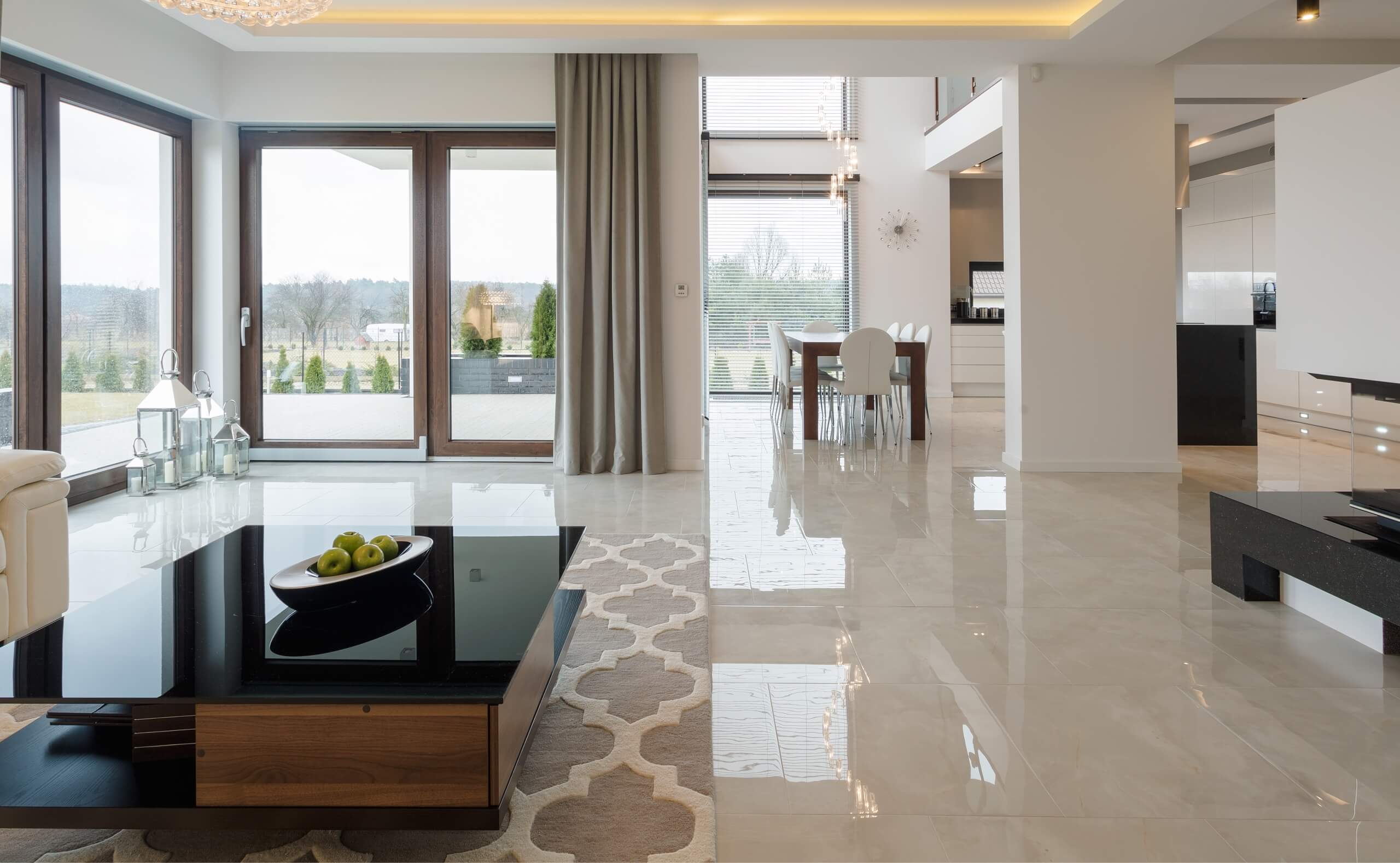
Honing creates a soft, matte surface that reflects light gently and evenly. It is commonly applied to marble used in staircases, flooring, and cladding—both indoors and outdoors. For this process, a mildly alkaline, non‑caustic cleaning abrasive is required. The material must dissolve even in hard water, must not scratch the marble, and must never cause micro‑fissures where dirt could accumulate and lead to discoloration.
To begin, the marble surface must be thoroughly saturated with clean, warm water. The abrasive cleaning powder is then sprinkled onto a damp fiber brush and worked across the surface. Afterward, the marble is rinsed completely and dried with a sponge to prevent secondary staining.
If residue remains, the surface is re‑wetted using a wide brush dipped in a special cleaning solution (1–1.5 parts abrasive to 4.5 kg warm water in a 14–16 kg container, topped up with water). Once dry, the marble is brushed vigorously—first with the solution, then with the dry abrasive powder. A final rinse and careful drying complete the process.
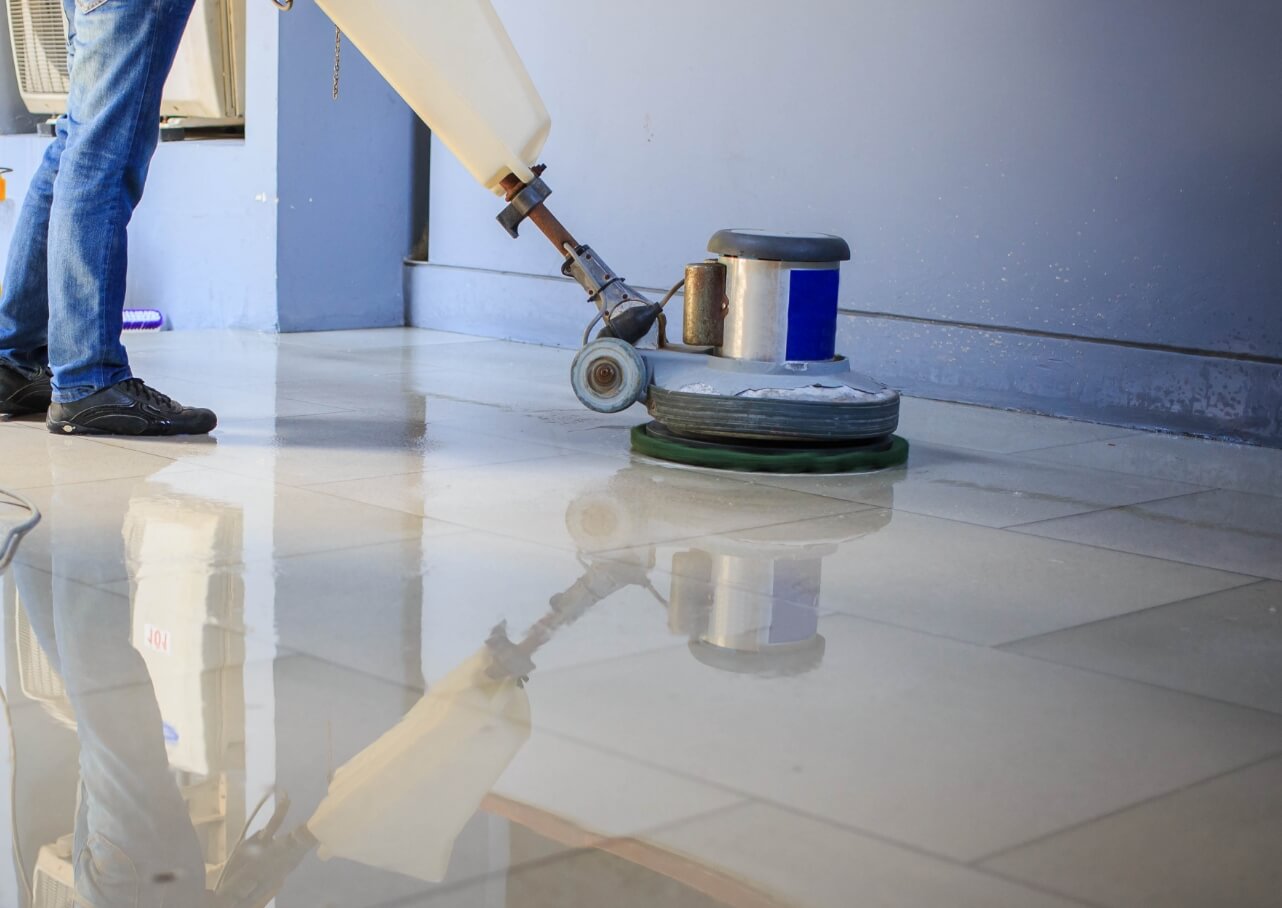
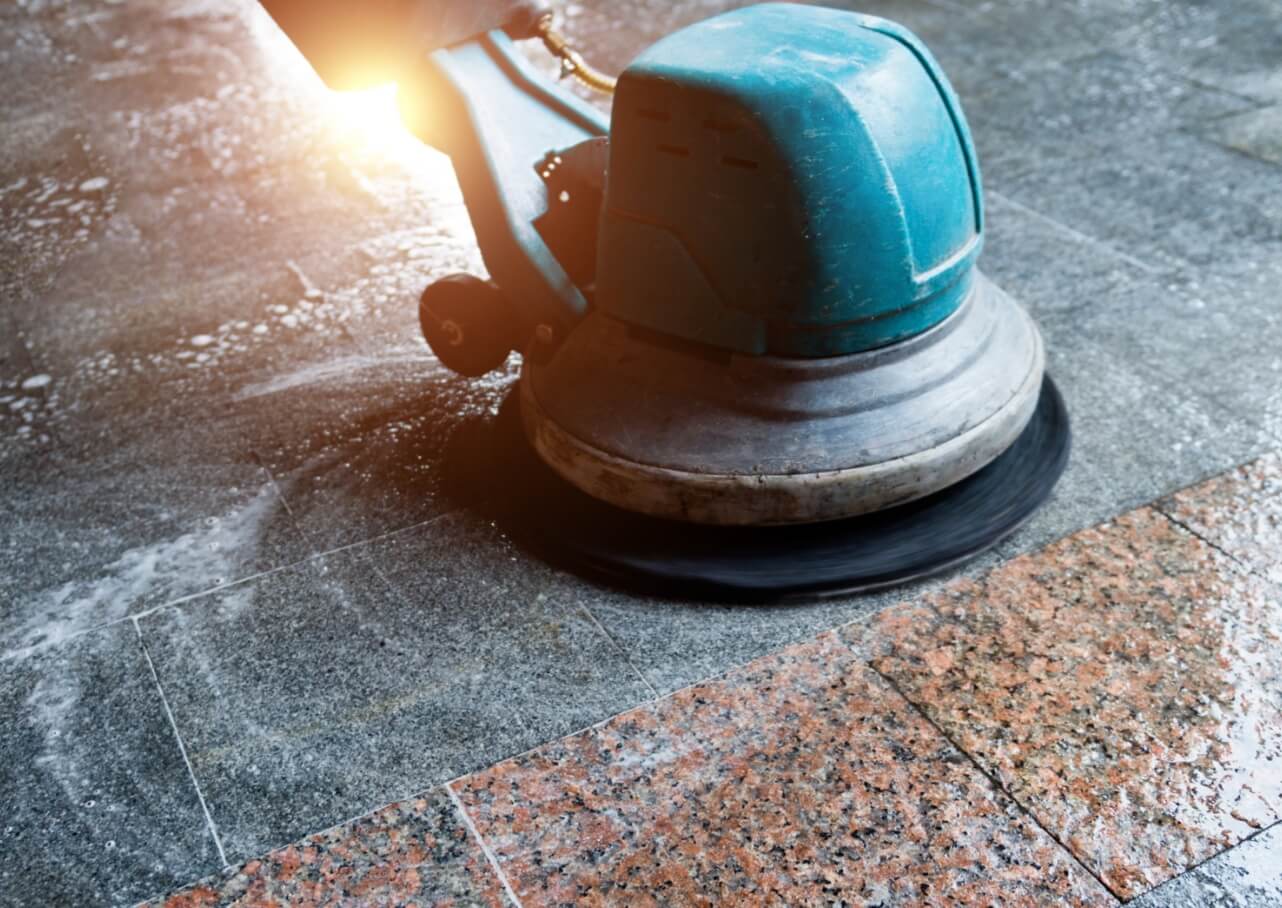
In Greece, these procedures are often performed differently—either manually or with machines.
Manual honing uses sandpapers (No. 24–40–60–100). Superior results are achieved with finer finishing papers applied after sanding with No. 60. The marble is rinsed after each sanding stage. Finishing papers are used with water, while coarse sandpapers are used dry. If needed, the surface is filled after sanding with No. 40 to correct natural imperfections.
Mechanical honing is performed with emery stones (No. 36).